
Understanding Mower Belt Cross Reference Guides
Cross reference guides, often available as PDF downloads, simplify identifying the correct replacement belt for various mower models. These charts correlate original equipment manufacturer (OEM) part numbers with aftermarket alternatives.
Guides streamline the process, saving time and ensuring compatibility, especially when OEM belts are unavailable or costly. They are invaluable for mower maintenance.
Why Use a Cross Reference Guide?
Mower belt cross reference guides, frequently found as downloadable PDF documents, are essential tools for anyone maintaining or repairing lawn mowing equipment. Using these guides eliminates the guesswork involved in selecting the correct replacement belt, preventing costly errors and ensuring optimal mower performance.
Without a guide, identifying the right belt can be challenging due to varying OEM part numbers and the availability of numerous aftermarket options. These guides correlate different manufacturers’ belt numbers, simplifying the process. They are particularly useful when the original belt is no longer available or when seeking a more affordable alternative. A PDF format allows for easy storage and access, making it a convenient resource for both professional mechanics and DIY enthusiasts.
The Importance of Correct Belt Size
Correct belt size is paramount for efficient mower operation and longevity. Utilizing a mower belt cross reference guide, often available as a PDF, ensures accurate selection, preventing premature wear and potential damage to the mower’s drive system. An incorrectly sized belt – too long or too short – will either slip, reducing cutting power, or strain components, leading to costly repairs.
PDF guides detail precise dimensions, including belt length and width, crucial for compatibility. They often include diagrams and application charts, clarifying which belt fits specific mower models. Ignoring proper sizing can compromise safety and performance. A reliable cross reference guide is, therefore, an indispensable resource for maintaining a functional and safe lawn mower.
Types of Mower Belts
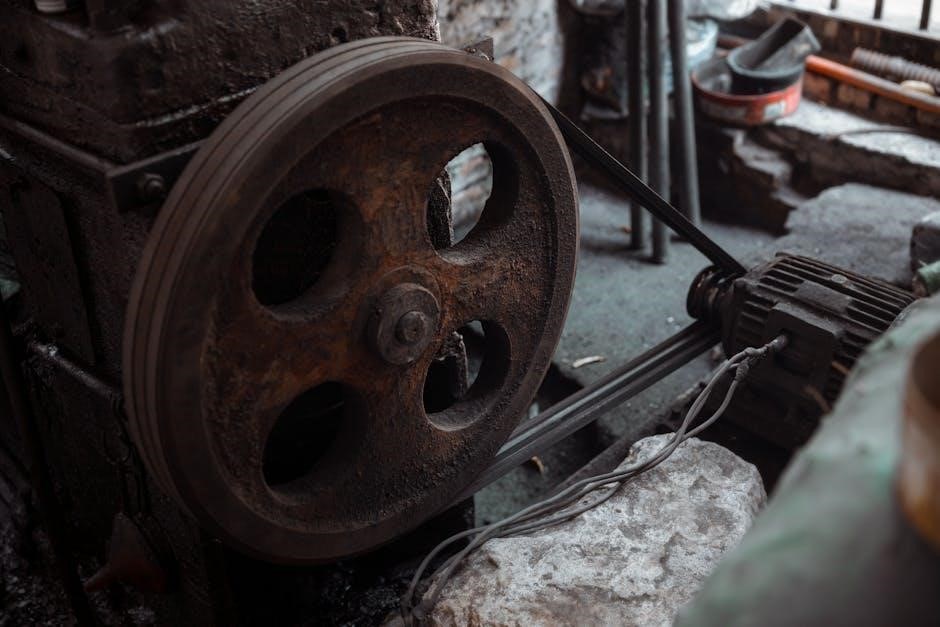
Mower belts come in various types – V-belts, Poly-V belts, and timing belts – each suited for specific applications. PDF guides detail these distinctions.
V-Belts: Common Applications
V-belts are the most prevalent type found in lawn mowers, particularly in older or simpler designs. They efficiently transmit power from the engine to the mower deck for blade rotation, and also to the hydrostatic transmission if equipped. PDF cross reference guides frequently showcase a wide array of V-belt sizes and corresponding applications.
These belts are characterized by their trapezoidal shape, which wedges into matching grooves on pulleys, providing excellent grip and power transfer. Common applications include driving the cutting blades, engaging the self-propelled function, and powering the hydrostatic drive system. When using a PDF guide, pay close attention to the belt’s dimensions (width and length) and profile designation (A, B, C, etc.) to ensure a proper fit. Many guides also list compatible mower models for easy identification.
Poly-V Belts (Multi-Rib Belts)
Poly-V belts, also known as multi-rib belts, are increasingly common in modern lawn mowers, offering improved efficiency and reduced slippage compared to traditional V-belts. PDF cross reference guides are essential for navigating the complexities of these belts, as they come in various rib configurations and lengths.
These belts feature multiple longitudinal ribs that engage with corresponding grooves on the pulleys, distributing the load more evenly and increasing contact area. They are often used in applications requiring higher power transmission, such as hydrostatic drives and complex deck setups. When consulting a PDF guide, note the number of ribs, the pitch (distance between ribs), and the overall length. Accurate matching is crucial for optimal performance and preventing premature wear. Many guides categorize belts by mower brand and model.
Timing Belts: Specific Mower Models
Timing belts, while less prevalent than V-belts or Poly-V belts, are found in specific mower models, particularly those with overhead cam (OHC) engines. These belts synchronize the crankshaft and camshaft, ensuring precise valve timing for optimal engine performance. PDF cross reference guides specializing in these models are vital for correct replacement.
Unlike drive belts, timing belts are not designed for slippage; a broken timing belt can cause significant engine damage. PDF guides will often detail specific engine codes and mower model years where timing belts are used; When using a guide, verify the engine manufacturer and model number. Precise specifications, including tooth count and belt width, are critical. Always consult a mower repair manual alongside the PDF for detailed installation instructions.

Decoding Mower Belt Numbers
Mower belt numbers, detailed in PDF guides, reveal crucial information about dimensions and construction. Understanding these codes ensures accurate replacements, avoiding compatibility issues.
PDF resources decode manufacturer-specific codes, simplifying the identification process for both professionals and DIY enthusiasts.
Understanding Belt Dimensions (Width & Length)
Mower belt dimensions, meticulously detailed in cross reference guide PDFs, are fundamental to proper function. Belt width, typically expressed in fractions of an inch (e.g., 1/2, 5/8, 3/8), dictates groove compatibility within the pulleys.
Belt length, measured in inches, is critical for a secure fit and efficient power transfer. PDF guides often display length as a numerical value (e.g., 36, 40, 45) or using a coded system like 4L450, where ‘4L’ indicates top width and ‘450’ represents the outer circumference.
Accurate measurement, or referencing a PDF chart, prevents slippage, overheating, and premature wear. Ignoring these dimensions can lead to mower malfunction and potential damage.
Belt Profile Designations (e.g., A, B, C, D, E)
Mower belt cross reference guide PDFs utilize standardized profile designations – A, B, C, D, and E – to categorize belt cross-sections. These letters aren’t arbitrary; they correspond to specific top width and belt thickness measurements, ensuring interchangeability.
An ‘A’ section belt is narrower than a ‘B’, and so on, with ‘E’ being the widest. These designations, clearly outlined in PDF charts, are crucial when an exact length isn’t available, allowing for a compatible profile substitution.
Understanding these profiles, as detailed in the PDF, prevents incorrect installations and maintains optimal mower performance. Always verify the profile matches the existing belt before purchasing.
Manufacturer Specific Codes
Mower belt cross reference guide PDFs often include manufacturer-specific codes alongside universal part numbers. These codes, like those from John Deere or Husqvarna, are essential for precise matching within a particular brand’s mower lineup.
While a universal belt might fit, using the OEM code, found within the PDF, guarantees compatibility with the mower’s specific pulley system and drive components. These codes account for subtle variations not captured by generic measurements.
PDF guides prioritize these manufacturer codes, offering a more reliable solution for replacements. Always cross-reference both the universal number and the OEM code for optimal results and performance.
Popular Mower Brands & Belt Cross References
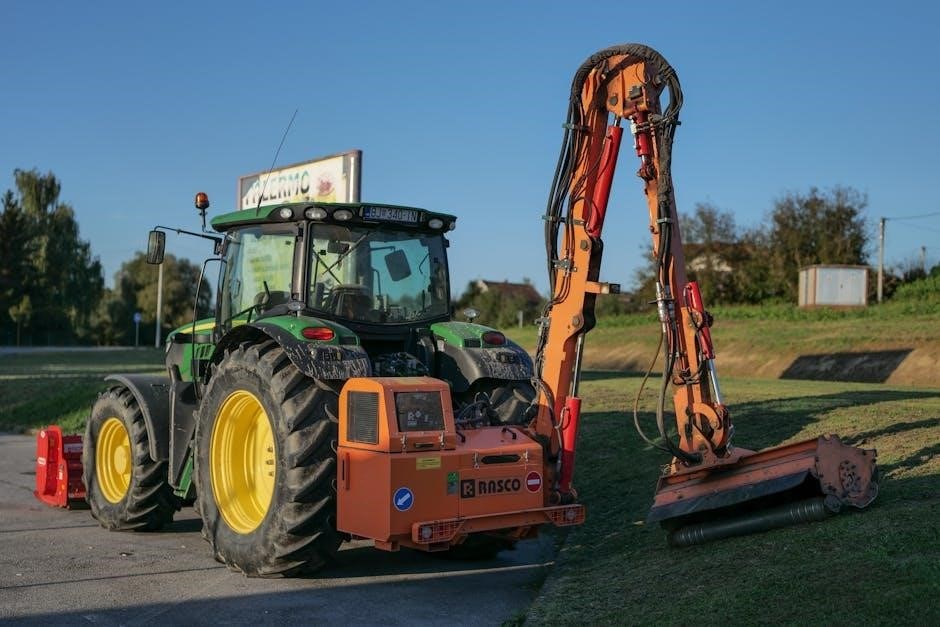
Mower belt cross reference guide PDFs frequently dedicate sections to popular brands like John Deere, Husqvarna, and Troy-Bilt, simplifying belt identification.
These sections provide direct OEM-to-replacement belt number correlations, streamlining the search process for common mower models.
John Deere Mower Belt Guide
John Deere, a leading mower manufacturer, often has extensive cross reference guide PDFs available online. These guides are crucial for maintaining a wide range of John Deere equipment, from residential riding mowers to commercial zero-turn machines.
PDFs typically categorize belts by mower model number and deck size, offering precise OEM part numbers alongside compatible aftermarket options. Users can quickly locate the correct belt for specific John Deere models like the LX series, the ZTrak series, and various tractor models.
Detailed charts often include belt length, width, and profile information, ensuring accurate replacements. Many guides also specify whether the belt is for the mower deck drive or the hydrostatic transmission, preventing incorrect installations. Accessing these PDFs through John Deere’s website or reputable parts retailers is highly recommended.
Husqvarna/Craftsman Mower Belt Guide
Husqvarna and Craftsman mowers, frequently sharing components, utilize similar belt systems. Finding the correct replacement often relies on comprehensive cross reference guide PDFs. These PDFs are essential due to the numerous models produced under both brands over the years.
These guides typically organize belts by model number, deck size, and even manufacturing year, as specifications can change. They provide OEM part numbers and corresponding aftermarket alternatives, simplifying the selection process. Charts detail belt dimensions – length, width, and profile (e.g., A, B, C).
PDFs often differentiate between mower deck belts and drive belts, crucial for correct installation. Accessing these resources through Husqvarna’s or Craftsman’s websites, or trusted parts retailers, ensures accurate belt identification and purchase.
Troy-Bilt Mower Belt Guide
Troy-Bilt mowers, known for their diverse range of models, require precise belt replacements. A dedicated cross reference guide PDF is invaluable for owners and mechanics alike. These PDFs consolidate information for various Troy-Bilt riding and walk-behind mowers, simplifying the identification process.
Guides typically categorize belts by model number and deck size, offering both OEM part numbers and compatible aftermarket options. Detailed charts specify belt length, width, and profile designations (like A, B, or C), ensuring a proper fit.
PDF resources often distinguish between deck belts, drive belts, and hydrostatic transmission belts. Finding these guides on the Troy-Bilt website or reputable parts suppliers guarantees accurate belt selection and efficient mower maintenance.

Finding Your Mower Belt Size
Utilizing a mower belt cross reference guide PDF, alongside your mower’s model number, is crucial for accurate sizing. Alternatively, carefully measure the old belt.
Using the Mower Model Number
Locating your mower’s model number is the first step in finding the correct replacement belt. This number, typically found on a decal affixed to the mower’s deck or frame, acts as a key identifier. Cross reference guides, often available as PDF documents, utilize this number to pinpoint the exact belt specifications.
These guides correlate the model number with the OEM belt part number, as well as compatible aftermarket options. Searching online using the model number and “belt cross reference” will yield numerous downloadable PDFs. Ensure the guide is specific to your mower brand and model year for optimal accuracy. Always double-check the belt dimensions listed in the guide against your existing belt, if possible, to confirm compatibility.
Using the model number minimizes guesswork and reduces the risk of purchasing an incorrect belt, saving you time and potential frustration. It’s a straightforward method for ensuring a proper fit and optimal mower performance.
Measuring the Old Belt (Accurate Method)
If the mower’s model number is unavailable, or you want to verify information from a PDF cross reference guide, physically measuring the old belt is the most accurate method. Carefully remove the worn belt, noting its routing for reinstallation. Use a flexible measuring tape to determine the belt’s length – measure the inside circumference when the belt is relaxed.
Also, measure the belt’s width, typically expressed in fractions of an inch (e.g., 1/2 inch, 5/8 inch). Record both measurements and consult a belt cross reference chart or PDF. These resources will help you identify the correct replacement based on length and width. Pay attention to the belt profile (A, B, C, etc.) as indicated on the old belt.
Precise measurements ensure a proper fit and prevent slippage, maximizing your mower’s efficiency.
Online Belt Cross Reference Tools
Numerous websites offer online belt cross reference tools, supplementing traditional PDF guides. These interactive tools allow users to input their mower’s make, model, and engine specifications to quickly identify compatible replacement belts. Some tools also accept OEM part numbers for direct cross-referencing.
Many online parts retailers, like those selling mower belts, provide these tools on their websites. These tools often feature searchable databases and filter options to narrow down results. While convenient, always double-check the results against a PDF guide or the mower’s manual to confirm accuracy.
Utilizing multiple resources – online tools and PDF charts – increases the likelihood of finding the correct belt for your mower.

Where to Find PDF Guides
PDF mower belt cross reference guides are readily available on manufacturer websites, online parts retailers, and dedicated mower forums. These resources simplify belt identification.
Downloading and saving these guides ensures quick access when performing maintenance or repairs on your lawn mowing equipment.
Manufacturer Websites
Directly accessing mower manufacturer websites is often the most reliable method for obtaining accurate PDF cross reference guides. Companies like John Deere, Husqvarna, and Troy-Bilt typically host comprehensive parts catalogs and belt guides within their support sections.
These guides are specifically tailored to their equipment, ensuring precise matches between old and new belt numbers. PDF documents often include detailed diagrams illustrating belt routing and installation procedures.
Searching for “parts lookup” or “owner’s manual” on the manufacturer’s site will usually lead you to the relevant resources. Downloading these official guides guarantees compatibility and avoids potential issues associated with third-party charts. Always verify the guide corresponds to your specific mower model and year of manufacture for optimal results.
Online Parts Retailers
Numerous online parts retailers offer downloadable PDF mower belt cross reference guides as a customer service. Websites specializing in lawn mower parts, such as those selling belts from Timken, frequently compile extensive charts covering multiple brands and models.
These guides often allow searching by mower brand, model number, or even existing belt numbers, simplifying the identification process. Retailers may also provide interactive tools that visually demonstrate belt compatibility.
However, it’s crucial to verify the accuracy of these charts, as errors can occur. Comparing information from multiple sources and confirming with the mower’s owner’s manual is recommended. Always double-check the belt dimensions and specifications before making a purchase.
Dedicated Mower Forums & Communities
Online mower forums and dedicated communities represent a valuable resource for locating PDF mower belt cross reference guides and gaining practical advice. Members frequently share scanned copies of original manuals and aftermarket compatibility charts.
These platforms allow users to ask specific questions about their mower models and receive tailored recommendations from experienced owners. Experienced members often maintain detailed lists of belt replacements for various machines.
However, information shared on forums should be treated with caution. Always verify the accuracy of any PDF guide or recommendation with official sources or a qualified mechanic. Community knowledge is helpful, but independent confirmation is essential.

Belt Material & Construction
Mower belts utilize rubber compounds reinforced with materials like polyester or aramid for durability. Static conductive belts dissipate electricity, enhancing safety.
Understanding these materials aids in selecting the correct replacement belt, ensuring optimal performance and longevity for your mower.
Rubber Belt Compounds
Mower belt performance heavily relies on the rubber compound used in its construction. Manufacturers employ various formulations to achieve specific characteristics like flexibility, heat resistance, and durability. Common compounds include ethylene propylene diene monomer (EPDM), known for its excellent resistance to weathering and ozone, and chloroprene, offering good oil and heat resistance.
The choice of rubber compound impacts the belt’s ability to withstand the harsh conditions of lawn mowing, including exposure to sunlight, moisture, and abrasive debris. Higher-quality compounds generally provide longer service life and improved performance. Cross reference guides don’t always specify the exact compound, but understanding these basics helps when selecting a replacement, especially when considering aftermarket options. Selecting the right compound ensures optimal power transmission and minimizes slippage.
Reinforcement Materials (e.g., Polyester, Aramid)
Mower belts aren’t solely rubber; reinforcement materials significantly enhance their strength and longevity. Polyester cords are commonly used, providing good tensile strength and resistance to stretching. However, for demanding applications or high-horsepower mowers, aramid fibers – like Kevlar – offer superior strength and heat resistance.
These materials are embedded within the rubber matrix, preventing cord elongation and maintaining belt integrity under stress. Cross reference guides rarely detail the specific reinforcement used, but higher-quality belts often feature aramid reinforcement. Understanding this distinction is crucial when choosing a replacement, as it directly impacts the belt’s ability to handle heavy loads and withstand prolonged use, ensuring efficient power transfer.
Static Conductive Belts
Static conductive belts are designed to dissipate static electricity, a crucial safety feature, particularly in environments with flammable vapors. These belts incorporate carbon fibers or other conductive materials within their construction, providing a path for static charge to safely ground.
While cross reference guides don’t always explicitly highlight static conductivity, Timken belts are branded as static dissipating when meeting specific standards. Identifying if your original belt was static conductive is vital for replacement. Using a non-conductive belt in a sensitive environment could pose a fire hazard. Always prioritize safety and consult manufacturer specifications when selecting a replacement belt, especially when dealing with potentially flammable materials.
Troubleshooting Belt Issues
Identifying worn or damaged belts is crucial for mower performance. Slippage, cracking, or fraying indicates replacement is needed, preventing further damage and ensuring safe operation.
Signs of a Worn or Damaged Belt
Recognizing belt wear is vital for maintaining optimal mower function. Several telltale signs indicate a belt requires immediate attention. Visible cracking along the belt’s ribbed surface is a primary indicator of age and deterioration. Fraying edges suggest excessive wear and potential for snapping during operation.
Glazing, a shiny appearance on the belt, signifies overheating and reduced grip. Slippage, evidenced by a burning rubber smell or difficulty engaging blades, is a critical warning sign. A stretched belt will exhibit increased slack and may not properly drive the mower deck or transmission. Regularly inspecting your belt, referencing a cross reference guide for correct replacement, prevents costly repairs and ensures safe mowing.
Causes of Belt Slippage
Belt slippage significantly reduces mower performance and can stem from several factors. A worn or glazed belt lacks the necessary friction to maintain a secure grip on pulleys. Incorrect belt tension, whether too loose or excessively tight, compromises its effectiveness. Oil or grease contamination on the belt surface drastically reduces friction, causing it to slip.
Misaligned pulleys create uneven pressure, leading to slippage and premature wear. A damaged or worn pulley groove can also contribute to the problem. Utilizing a cross reference guide to ensure the correct belt type and size, coupled with regular maintenance, minimizes these issues. Addressing these causes promptly prevents further damage and ensures efficient operation.
Preventative Maintenance for Mower Belts
Regular preventative maintenance dramatically extends mower belt life and optimizes performance. Periodically inspect belts for cracks, fraying, or glazing – signs of wear requiring replacement. Maintaining proper belt tension is crucial; consult your mower’s manual for specifications. Keep pulleys clean and free of debris, ensuring smooth operation.
Avoid operating the mower in excessively wet conditions, as moisture accelerates belt degradation. Utilize a cross reference guide to source high-quality replacement belts. Store the mower in a dry environment during the off-season. Following these simple steps minimizes slippage, reduces downtime, and ensures reliable cutting season after season.